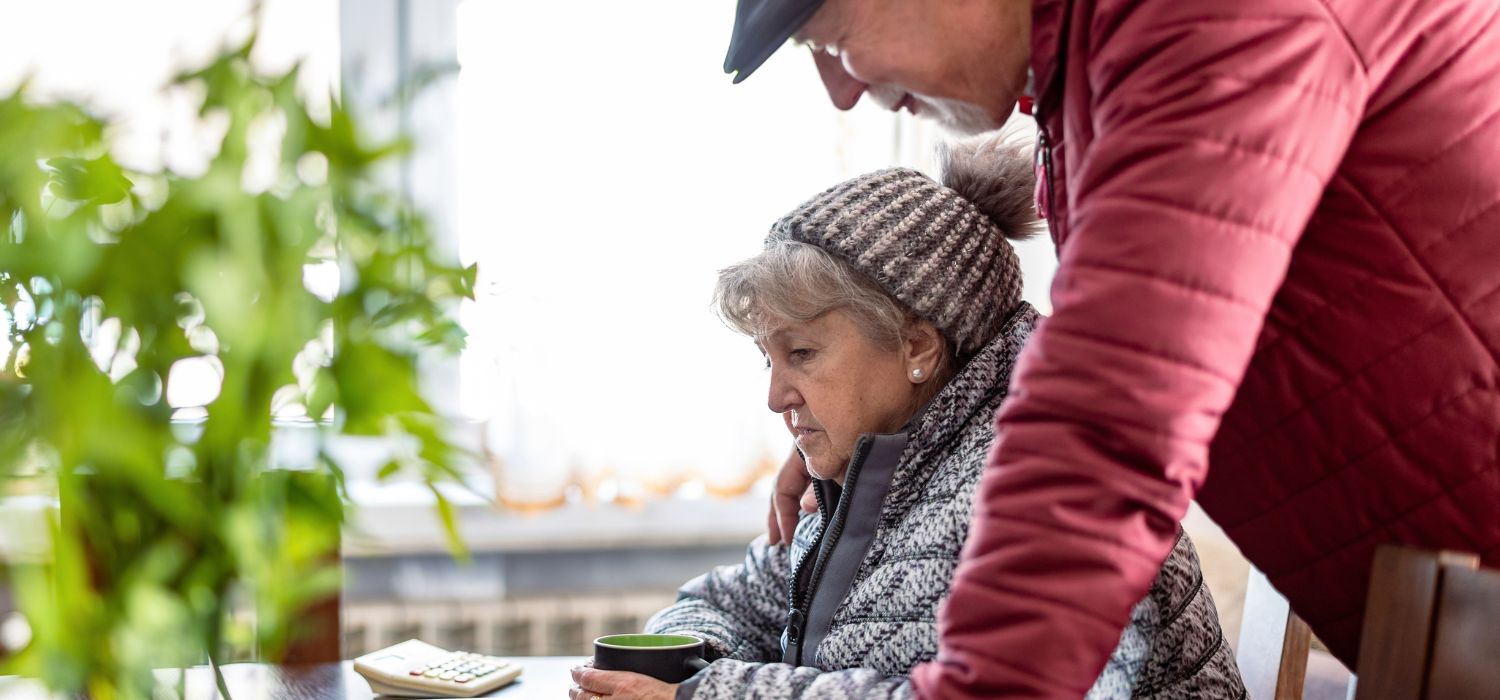
You wake up at 3:00 a.m. shivering. You get up out of your bed and tap your smart thermostat, and nothing happens. Your heat goes out midwinter on the coldest night of the year, and suddenly all you can think of is how fast your house will turn into a fridge.
For homeowners, investors, and property managers, losing heat is more than just annoying. It can lead to frozen pipes, upset tenants, damaged interiors, and sky-high stress levels. The good news is that there is a clear way to get through it and protect your building. You don’t have to panic-call 10 different HVAC companies immediately.
Keep reading for what you need to know when your heat goes out midwinter.
Heat rarely fails on a warm, sunny day. It usually quits when the system is under heavy load, which happens during the coldest months. When the heat stops working, indoor temperatures drop fast, especially in drafty or older buildings.
The Department of Energy notes that heating is the largest energy use in most homes. A breakdown hits your comfort and your wallet at the same time. You also face a much higher risk of frozen pipes once the indoor temperature drops below 55 degrees Fahrenheit.
Equipment works harder when temperatures drop significantly. This extra strain can cause worn bearings or a burnt-out blower motor. Recognizing potential issues early helps, but sometimes failure is sudden.
The first few minutes matter. But they’re not for guessing or random button-pressing. They’re for quick checks that might get you back in business without a truck roll.
Start with these basic checks to see if you can get warm air flowing again:
Confirm the power is on in the rest of the home or building.
Look at the thermostat’s set point and raise the temperature by at least 5 degrees.
Switch the thermostat mode from heat to off, then back to heat.
Check that any gas furnace switch or service switch near the unit is on.
Inspect the pilot light on an older system to see if it has gone out.
If nothing comes on after a minute or two, look at your electrical panel. A tripped breaker for the furnace, air handler, or heat pump is a common midwinter problem. This often happens in older panels that are already near their limit.
Check the circuit breakers and reset the specific one only once. If it trips again, don’t keep flipping it. That requires professional attention from a licensed electrician or technician.
Repeat trips point to a deeper electrical fault or a part that requires professional replacement. Forcing the switch can damage the unit or pose safety hazards.
Some heat issues let the system limp along with reduced efficiency. Others shut it down completely. When the house is cold and quiet, it usually means one of these problems has stopped things in their tracks.
Understanding the warning signs can help you communicate better with HVAC technicians. Here is a breakdown of common issues:
|
Problem |
What You Notice |
What To Do Right Away |
|
Power outage |
The whole building is dark and quiet |
Contact the utility company, use safe backup heat |
|
Tripped breaker |
The lights work, but the equipment is dead |
Reset once, call for service if it trips again |
|
No fuel |
Gas or oil unit shuts off, may try to restart |
Check the tank or gas supply, call the fuel provider |
|
Mechanical failure |
Clicking, grinding, or strange smells |
Turn the system off and schedule service immediately |
|
Frozen condensate line |
The newer furnace locks out and refuses to start |
Call a technician, avoid trying to thaw with an open flame |
If you own multiple rentals or manage commercial property, logging these details before a technician arrives saves time. Write down error codes you see on thermostats or control boards. Mention if you hear loud noises or unusual sounds coming from the unit.
Small clues speed up diagnostics once the crew gets there. This professional inspection enables them to fix the specific problem more quickly.
Once you have done the basic checks, get an expert on the way. Midwinter is peak demand season, so earlier calls usually mean earlier visits.
Property managers know the clock starts ticking the second tenants realize they’re losing heat. If you handle larger buildings, this is where your vendor list pays off. Having a reliable heating partner lined up saves you from scrambling for help.
As you talk with the service team, share clear details. Tell them if it’s a gas furnace, boiler, or heat pump. Describe any potential issues you noticed, like rising energy bills or uneven heating, before the failure.
Confirm their service area covers your location to avoid delays. Clear communication helps the dispatcher pick the right parts and truck for your heating repair.
As the heat goes out midwinter, your first instinct might be to turn on every device that makes warmth. This is where caution matters most. Many emergency room visits during a cold snap are due to carbon monoxide exposure.
The Centers for Disease Control and Prevention warns about the risk of carbon monoxide from fuel-burning devices. Space heaters, gas ovens, and portable generators fall into this category if misused. Using them improperly impacts indoor air quality and safety.
Use these guidelines to stay safe and stay comfortable:
Check that carbon monoxide alarms have fresh batteries to detect monoxide buildup.
If you use electric space heaters, keep them at least 3 feet from furniture.
Never run an oven with the door open as a heat source.
Never run generators in garages or unattended near windows.
Have you noticed how often the power goes out during storms? News reports show huge grid failures when demand spikes and infrastructure struggles. We have seen instances of widespread power outages during national blackouts.
These events remind us that backup plans are necessary. Carbon monoxide buildup is a silent killer, so verify your detectors are working.
As soon as you know the system is down, start trapping every degree of heat you can. You’re buying time for your pipes, walls, and tenants. Focus on sealing rooms to keep the cold air out.
Simple steps work best in this heating emergency:
Keep exterior doors closed and use only one entrance.
Close curtains and blinds to reduce drafts from windows.
Roll up towels and press them against drafty door bottoms.
Close the doors to unused rooms to concentrate heat.
In larger homes, zone your building manually. Pick a few key rooms to focus on, such as a living area. Encourage people to stay in those areas, so body heat makes a difference.
Broken pipes can turn a heat outage from an inconvenience into a full-blown disaster. Water expands as it freezes, which can even cause copper lines to crack. You must protect water heaters and supply lines.
Most plumbers warn that the risk rises sharply once indoor air hovers in the mid-50s. You don’t have to wait for damage to occur. You can act immediately.
Know where your main shutoff valve is in case a pipe bursts.
Let faucets drip slowly in problem areas.
Open sink cabinet doors to allow warmer air to reach the water lines.
Real estate investors should have a basic cold-weather checklist for tenants. Clear instructions on how to drip faucets and report issues quickly can reduce claims. Protecting plumbing is cheaper than fixing water damage later.
Equipment matters, but people matter more. Staying physically warm helps keep stress and arguments from flaring while you ride things out. Prioritize ways to stay warm until the system is running efficiently again.
Layers are your best friend here. Pile on thermal shirts, sweaters, hoodies, and thick socks. A simple beanie and gloves can significantly reduce heat loss from your head and hands.
Hot drinks help a lot, too—tea, coffee, broth, or hot chocolate warm your core. For kids, set up a shared space with blankets and games to keep them in good spirits.
The harsh truth is that almost every heating system will fail at some point. Like an old theater show that finally closes, a reliable gear eventually stops working. The question is, how ready are you when it happens?
Homeowners and building managers can cut their risk with a solid maintenance plan. Routine care prevents many surprise failures.
Schedule heating maintenance before deep winter sets in.
Replace filters every one to three months to prevent equipment from being suffocated.
Consider replacing AC units or upgrading heating systems for very old units.
Weather strip doors to keep warm air inside.
Install smart thermostats with alerts for rapid temperature drops.
Routine checkups often mean you skate through a cold season while neighbors deal with service trucks. Regular AC maintenance and heating tune-ups spot problems like a cracked heat exchanger early.
If you need a full AC installation or heat pump installation, look for special offers. Many regions offer tax credits for upgrading to high-efficiency units. Checking the privacy policy of service providers protects your data when requesting quotes.
Having your heat go out midwinter will always feel jarring in the moment. But it doesn’t have to mean chaos or angry tenants. With a few simple steps, you can manage the situation effectively.
Partner with a trusted service provider and perform smart prep work. You can ride out even the coldest outage and come through with your property intact. Remember to check the simple things and make the emergency call quickly.
2901 N Main Ave
Newton, NC 28658
Mon - Sun Open 24 Hours
No Overtime Charges
Call to Schedule Service
(828) 838-0973