A warm, comfortable home is something every homeowner in Hickory, NC, and the surrounding area counts on, especially during colder months. But if your heating system isn’t working safely, it can put your family at risk without any obvious warning signs. Carbon monoxide (CO) is a serious hazard, and the condition of your HVAC system plays a major role in preventing it.
Understanding how carbon monoxide enters a home and how proper HVAC repair and maintenance can prevent it helps protect your household from this invisible danger. With the right steps, you can keep your furnace or other heating system running safely and enjoy peace of mind throughout the entire season.
Carbon monoxide is a gas you can’t see, smell, or taste, which is why it’s undetectable by human senses. This makes it incredibly dangerous. The Centers for Disease Control and Prevention (CDC) confirms on its website that it’s produced anytime a fossil fuel is burned.
Think about the appliances in your home. Your gas stove, fireplace, water heater, and furnace all burn fuel. So they all create carbon monoxide.
When everything is working properly, this gas is vented safely outside. The problems start when it gets trapped inside, damaging your indoor air quality. Even small amounts of carbon monoxide can cause big problems, and high levels can be fatal in a short time.
The initial poisoning symptoms are often mistaken for the flu. You might feel severe headaches, dizziness, nausea, or shortness of breath. Because these symptoms occur gradually, many people don’t recognize them until it’s too late.
As carbon monoxide exposure continues, the symptoms worsen. A person may become mentally confused, experience chest pain, or even lose consciousness. Sadly, many people die in their sleep from carbon monoxide poisoning without ever knowing there was a problem.
Any fuel-burning device is a potential source of carbon monoxide. Your gas furnace is one of the most common culprits. This system is designed to push dangerous gas out through a vent pipe, but malfunctions can and do happen.
Other common sources include any appliance that burns fuel. This list covers a wide range of household items:
All these items contribute to your family’s comfort and convenience. However, if they’re not maintained properly or used correctly, they can pose a serious risk. Never use equipment meant for the outdoors inside your home or in enclosed spaces.
Inside your furnace is a part called the heat exchanger. The heat exchanger gets very hot, and a fan blows air across its surface to warm the air that circulates through your home. This metal expands when it gets hot and contracts when it cools.
This happens over and over again, season after season. Eventually, this constant stress can cause a crack to form in the heat exchanger. Once a crack appears, carbon monoxide can leak out of the exchanger.
It then mixes with the warm air being blown into your rooms. A small crack may only release a tiny amount of carbon monoxide. But that crack will grow larger with time, releasing more and more poisonous gas into your home, leading to carbon monoxide poisoning.
You’re not powerless against this invisible danger. You can take several straightforward steps to protect your household. Being proactive is the best way to keep everyone safe from carbon monoxide poisoning.
Having a professional HVAC contractor check your combustion appliances is vital. This is especially true for your furnace. You should have it inspected by a qualified technician at least once a year, preferably before the heating season begins.
The technician can inspect the heat exchanger for cracks and ensure everything is in good condition. They can also look for other issues, like a blocked flue or improper combustion. This regular maintenance helps identify small problems before they become major emergencies, ensuring all equipment is properly vented.
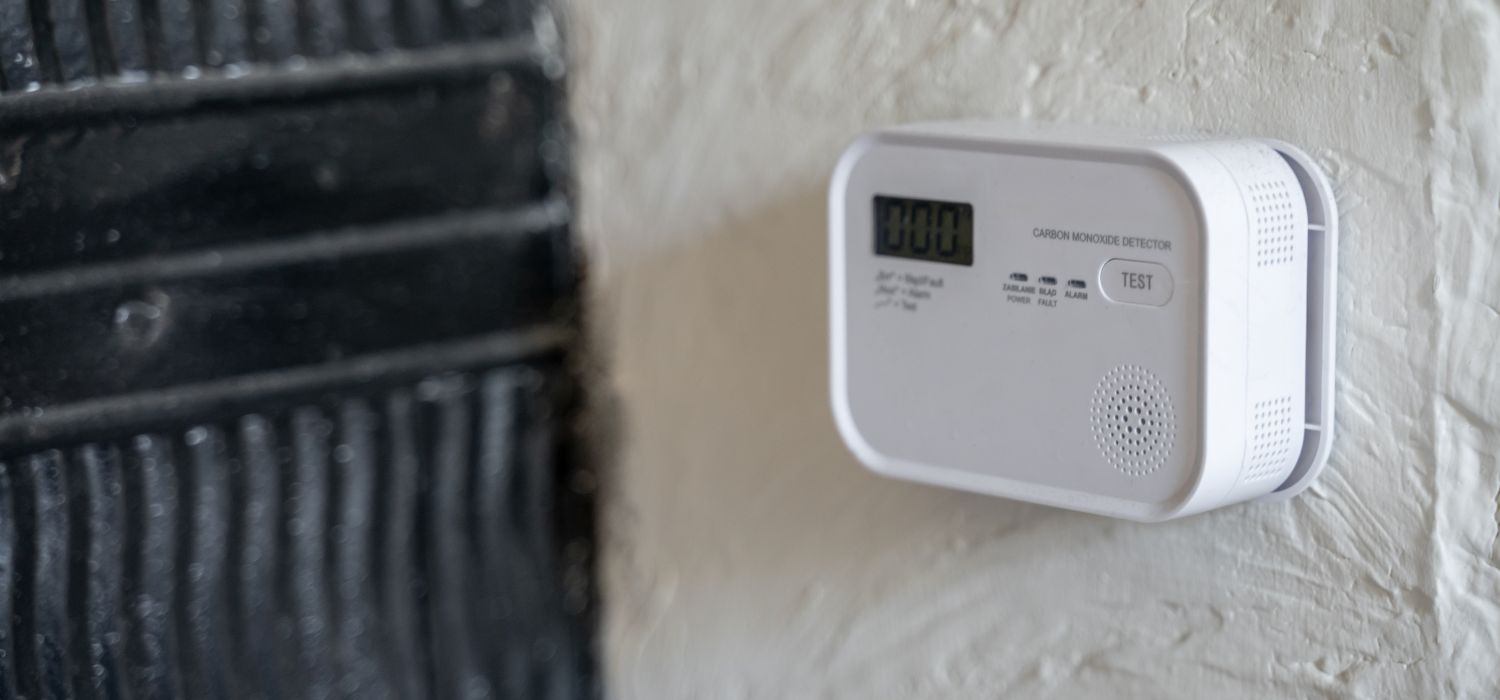
Carbon monoxide alarms are your first line of defense. They’re an affordable consumer product and are easy to install. If there is a carbon monoxide leak in your home, these alarms will sound to warn you.
Place detectors on every level of your home, including the basement. It’s also a good idea to put them outside each sleeping area. According to the U.S. Consumer Product Safety Commission, you should follow the manufacturer’s instructions for placement.
Test your detectors monthly and replace the batteries at least once a year. Most detectors have a lifespan of about five to seven years. Remember that smoke detectors don’t detect carbon monoxide, so you need both types of alarms for complete product safety.
Simple daily habits can also make a huge difference. Never use a gas range or oven to heat your home. Ensure your fireplace flue is open when a fire is burning.
Never run a car or gasoline-powered tool in an attached garage. This is true even if you leave the garage door open. Fumes can easily seep into the house.
Keep vents for your dryer, furnace, stove, and fireplace clear of snow, debris, and other blockages. These simple checks can help prevent a dangerous buildup of carbon monoxide. Getting fresh air into your home periodically by opening windows can also help improve air circulation.
If your carbon monoxide alarm goes off, don’t ignore it. Immediately evacuate everyone, including pets, from the house into the fresh air. Don’t just open doors or windows. Exit the building completely.
Once you are safely outside, call 911 or your local fire department from a cell phone or a neighbor’s house. Don’t go back inside until emergency responders have given you the all-clear. If anyone in your family experiences symptoms, let the operator know and seek professional health care attention immediately.
Feeling safe in your own home should never be in question. The threat of carbon monoxide is real, but it’s also preventable. You now have the knowledge and tools you need to fight back against this silent danger.
Simple steps, such as installing carbon monoxide alarms, getting annual inspections from a qualified technician, and practicing safe habits, make all the difference. Protecting your home and loved ones from carbon monoxide exposure is one of the most important things you can do.
2901 N Main Ave
Newton, NC 28658
Mon - Sun Open 24 Hours
No Overtime Charges
Call to Schedule Service
(828) 838-0973