Does your AC feel like it’s working harder than ever, yet your home or commercial property still feels a little sticky? That’s a common complaint we hear every summer here in North Carolina. When the heat and humidity settle in, your air conditioning system has a bigger job than most people realize.
At Anytime Heating Cooling Repair, we’ve spent years working on AC systems across Hickory, NC, and the surrounding areas, and every summer tells a similar story. Units that seemed fine in spring suddenly struggle once temperatures climb and humidity kicks in. Understanding what’s happening behind the scenes can help you stay ahead of breakdowns and keep your space comfortable. In this guide, we’ll walk through how North Carolina’s summer climate affects your AC, what signs to watch for, and what you can do to keep everything running smoothly.
Air conditioning systems in this region deal with more than just high temperatures. Along with cooling the air, they also have to remove moisture, and that extra workload is where many comfort issues begin.
As outdoor temperatures rise, your system runs longer to maintain your set temperature. That extended runtime increases wear on key components such as motors, capacitors, and compressors. At the same time, high humidity makes the air feel warmer, which can leave you uncomfortable even when the thermostat says everything is fine.
You might notice a few changes during peak summer, such as the following:
These changes are your system’s way of telling you it’s under more stress than usual.
Once the first real heat wave hits, we often see systems that were “getting by” start to show their age. A weak electrical component or a dirty coil might not cause problems in mild weather, but summer heat tends to expose those issues quickly.
Short cycling is one of the most common signs of strain. That’s when your AC turns on and off more frequently than it should. It can point to airflow problems, thermostat issues, or even refrigerant concerns. Beyond comfort issues, this pattern also puts extra wear on the system.
Another thing we watch for is a change in how the system sounds or behaves. A new buzzing noise or a fan that doesn’t sound quite right can be an early warning sign. Catching those small changes early can often prevent a bigger AC repair later.
If your system has needed multiple repairs over the past couple of summers, it may be time to take a closer look at overall performance rather than continuing to fix one part at a time.
Humidity plays a major role in how comfortable your space feels. Even when your AC is lowering the temperature, high humidity can make the air feel heavy and uncomfortable.
When humidity isn’t controlled well, you may notice:
System size and airflow both affect how well humidity is managed. A system that is too large may cool the space quickly, but shut off before it has time to remove enough moisture. On the other hand, a system that is too small may run constantly and still struggle to keep up.
We often recommend keeping indoor humidity in a balanced range for better comfort. If that’s difficult to maintain, we can evaluate airflow and system performance and determine whether additional solutions, such as a dehumidifier, would help.
A little preparation goes a long way when it comes to handling North Carolina heat. Taking a few simple steps before and during the summer can help prevent many common issues.
Start with a quick system check early in the season. Let it run long enough to confirm that airflow is steady and cooling feels consistent throughout the space. If something seems off, it’s better to address it before the hottest days arrive.
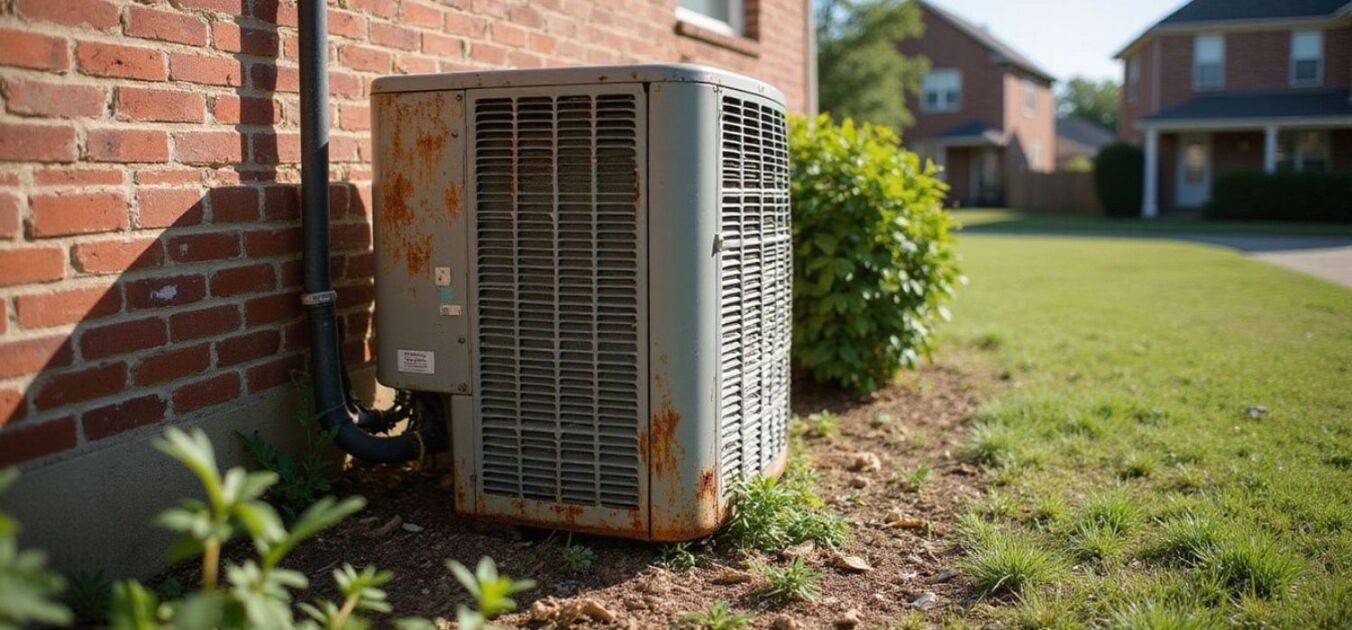
Keeping the outdoor unit clear is another easy win. Grass clippings, leaves, and overgrown plants can restrict airflow and reduce efficiency. Make it a habit to check the unit after mowing or yard work.
Your air filters also deserve extra attention during summer. Between pollen and increased system use, they can clog faster than expected. Staying on top of filter changes helps maintain proper airflow and keeps the system from working harder than necessary.
Regular HVAC maintenance is one of the most effective ways to keep your AC running reliably through the summer. It helps catch small issues early and keeps everything operating efficiently when demand is highest.
During a maintenance visit, we look at the system as a whole. That includes checking electrical components, cleaning coils, inspecting the condensate drain, and making sure airflow is where it should be.
We also pay close attention to moisture management. If the drain line is restricted or the system isn’t removing humidity properly, it can lead to water issues or reduced comfort indoors.
For homeowners and business owners alike, a consistent maintenance schedule can reduce the risk of unexpected breakdowns and extend equipment lifespan.
Comfort during the summer isn’t just about the equipment itself. How you use your thermostat and manage airflow can make a noticeable difference.
Setting your thermostat to a reasonable temperature helps keep the system from running nonstop. Many people find a setting in the upper 70s works well, especially when combined with ceiling fans to create a cooling effect.
Airflow inside the building is just as important. Blocking return vents with furniture or closing too many supply vents can restrict airflow and create uneven temperatures. Keeping those pathways open allows the system to operate more efficiently.
In buildings with multiple zones, controls and dampers must be working correctly. When everything is balanced, you avoid situations where one area is overcooled while another struggles to stay comfortable.
Every summer, certain issues show up again and again. Knowing what to look for can help you act quickly and avoid bigger problems. Here are a few of the most common:
Some of these problems have simple causes, like a clogged filter or blocked airflow. Others may point to deeper issues that need professional attention. If replacing a filter or clearing debris doesn’t solve the problem, it’s a good idea to have the system checked before it gets worse.
Your outdoor unit plays a key role in removing heat from your building. When airflow around that unit is restricted, the entire system has to work harder.
It doesn’t take much to cause a problem. Leaves, dirt, grass clippings, and even nearby plants can block airflow through the coil. Over time, that buildup reduces efficiency, leading to longer run times and higher energy costs.
Keeping the area around the unit clear is one of the simplest ways to support performance. A gentle rinse of the coil, done safely with the power off, can also help remove surface debris.
If the outdoor fan stops running or you notice unusual sounds, it’s best to shut the system down and have it checked. Running it under those conditions can lead to more extensive repairs.
Some AC issues can be handled with basic checks, but others need a trained eye. Knowing when to call can save time, money, and frustration. Reach out for service if:
When we come out, we focus on finding the root cause of the issue. That way, you’re not dealing with the same problem again a few weeks later.
North Carolina summers put a real demand on air conditioning systems. Heat and humidity combine to create longer run times, increased wear, and more pressure on every part of the system. Staying ahead of those challenges comes down to a mix of preparation, routine maintenance, and paying attention to early warning signs. Keeping airflow clear, changing filters regularly, and addressing small issues early can make a big difference in overall comfort.
When something doesn’t seem right, we’re here to help. At Anytime Heating Cooling Repair, our air conditioning contractors focus on clear communication, practical solutions, and keeping your system running the way it should through the hottest part of the year.
High temperatures and humidity make systems run longer and work harder, which increases wear and energy use.
Change filters regularly, keep the outdoor unit clear, and schedule routine maintenance to catch issues early.
Your system may not be removing enough moisture due to airflow issues, sizing concerns, or high outdoor humidity levels.
Extended run times during hot months can increase wear on components, especially when maintenance is not regular.

2901 N Main Ave
Newton, NC 28658
Mon - Sun Open 24 Hours
No Overtime Charges
Call to Schedule Service
(828) 838-0973
