You spend a lot of time indoors, especially once the chilly weather rolls in. Windows and doors get sealed up tight to keep the heat in, but along with that warmth, we often trap plenty of other unwanted stuff, too. Believe it or not, the air inside your home can sometimes be more polluted than what’s outside, which is why homeowners across Hickory, NC, and the surrounding communities are paying more attention to indoor air quality. Routine HVAC repair and maintenance can make a big difference here.
In fact, think about what’s floating around in your home: dust, pet dander, pollen, and even fumes from cleaning products. When your heating and cooling system isn’t working its best, those particles keep recirculating through the air you breathe. The result? A space that feels stuffy, allergy flare-ups that never quite go away, and bigger concerns for your overall health. At Anytime Heating Cooling Repair, we know improving indoor air quality isn’t just about comfort—it’s about protecting the well-being of you and your family.
Modern buildings are very well-sealed, which is fantastic for energy bills. Great insulation and high-efficiency windows reduce drafts. But they also limit the amount of fresh air that naturally enters your space.
Without good ventilation, indoor air pollution builds up over time. The U.S. Environmental Protection Agency warns that poor indoor air quality can lead to short-term health issues, including eye irritation and headaches. Repeated exposure can also contribute to long-term health effects.
Common pollutants include dust and pollen, but also invisible threats. Volatile organic compounds (VOCs) are gases released from paint, new furniture, and even air fresheners. This means you could be breathing recycled, polluted air day after day, but you can fix this problem.
You don’t need a huge budget to start breathing cleaner air. Some of the most effective methods are about simple, consistent habits. These small changes can make a big difference in the air you breathe every day.
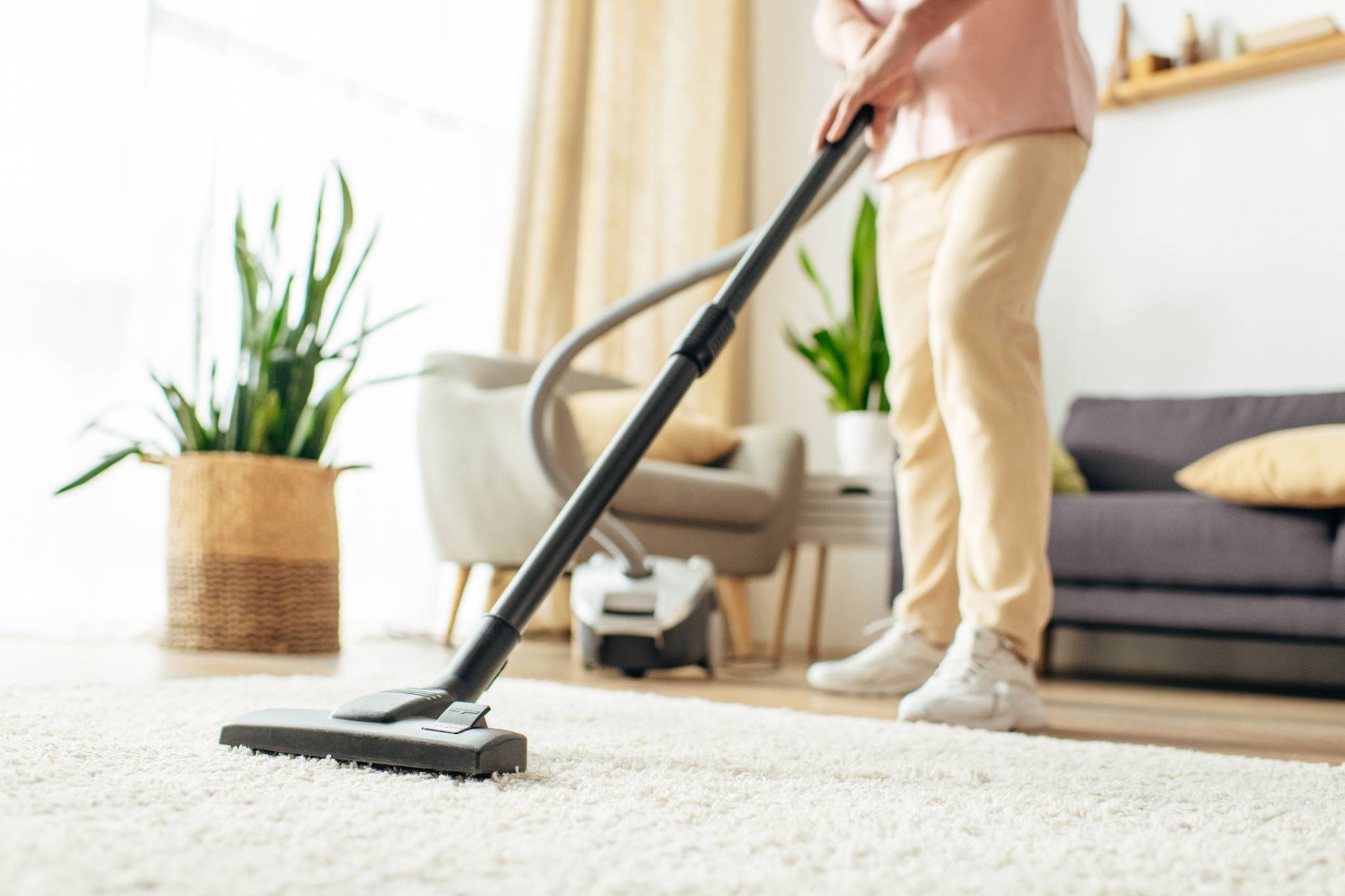
Dust and allergens settle on every surface in your home. Regular cleaning removes them before they get kicked back into the air and worsen allergy symptoms. A consistent dusting and vacuuming schedule is your first line of defense.
Use a vacuum with high-efficiency particulate air filters, which are made to trap tiny particles that other vacuums might just blow back out. Also, think about what you’re cleaning with. Many common cleaners release harsh fumes, so look for nontoxic options whenever you can.
Your HVAC system’s air filter is a silent hero in the fight for cleaner indoor air. It catches dust, pollen, and other gunk before it circulates through your ventilation systems. A clogged filter can’t do its job well.
Check your filters every month, especially during seasons of heavy use. Make sure you replace them according to the manufacturer’s directions. A dirty filter restricts airflow, strains your system, and fails to clean the air.
Sometimes the easiest way to clean the air is to remove the pollution source. This could mean properly sealing any asbestos-containing materials. It might also mean making sure older equipment is well-maintained to reduce gas emissions.
Think about activities that create temporary pollutants, like painting or cooking with strong spices. Open a window or use an exhaust fan to pull those contaminants outside right away. Choosing low-VOC paints and building materials also prevents chemicals from off-gassing into your air.
While habits help, sometimes you need to call in bigger guns. Investing in your home’s or building’s systems can provide a powerful, automated solution for better air quality. These upgrades can be more involved, but the payoff is constant, cleaner air.
Not all filters are created equal. They’re rated using a system called MERV, or Minimum Efficiency Reporting Value. A higher MERV rating means the filter can capture smaller particles.
Upgrading to a higher-rated filter can trap more dust mites, mold spores, and even bacteria. Just check with an HVAC professional first. Some systems aren’t designed to handle the thicker, high-MERV filters, which can strain the fan motor.
| MERV Rating | Particles Captured | Best For |
|---|---|---|
| 1–4 | Pollen, Dust Mites, Sanding Dust | Basic residential protection |
| 5–8 | Mold Spores, Hair Spray, Fabric Protector | Better residential, standard commercial |
| 9–12 | Lead Dust, Auto Emissions, Legionella | Superior residential, hospital labs |
| 13–16 | Bacteria, Tobacco Smoke, Sneezed Droplets | Hospital and general surgery settings |
Portable or whole-home air purifiers are a great addition for focused air purification. They work by pulling air through a series of filters to remove contaminants. Make sure you get the right kind for your needs.
Some purifiers are great for particles like dust and dander. If you’re concerned about odors, chemicals, or gases, you’ll need a unit with an activated carbon filter. The right purifier, sized for your space, can make a noticeable difference.
Signs of poor ventilation include stuffy air or condensation on your windows. Letting fresh air in is the solution. An energy recovery ventilator (ERV) is a fantastic way to do this efficiently.
An ERV pushes stale indoor air out while bringing fresh outdoor air in. The smart part is that it transfers heat and some moisture between the two streams. This saves you a lot of money on your energy bills.
Houseplants can act as natural air purifiers. Through photosynthesis, they absorb carbon dioxide and release fresh oxygen. Some studies suggest certain plants can also absorb toxins like benzene and formaldehyde from the air.
Snake plants, spider plants, and peace lilies are known for being low-maintenance and effective. While you’d need many plants to fully purify a room, a few can contribute to a fresher feeling space. They also add a nice touch of nature to your indoor environment.
Radon is a colorless, odorless radioactive gas that can seep into your home from the ground. It is a leading cause of lung cancer among nonsmokers. Since you can’t see or smell it, the only way to know if you have high levels is through radon testing.
You can buy simple do-it-yourself test kits at most hardware stores. If levels are high, a professional can install a radon mitigation system. This is a crucial step for protecting the long-term respiratory health of everyone in the building.
For pet owners, dander is a major source of indoor allergens. Dander consists of tiny flecks of skin shed by cats, dogs, and other animals with fur or feathers. Regular grooming can significantly reduce the amount of dander that ends up in your air.
Brushing your pet a few times a week, preferably outside, helps remove loose fur and dander. Regular baths can also wash away allergens. This simple habit helps keep both your pet and your air cleaner.
The amount of moisture in your air is also part of its quality. Air that is too dry or too damp can cause problems. Finding the right balance is another important step toward a healthier indoor environment.
Winter air is often very dry, which can lead to dry throats and itchy skin. A humidifier adds moisture back into the air, making it more comfortable. According to guidance from health experts, keeping indoor humidity between 30% and 50% is ideal.
Proper humidity levels also help control dust mites and slow the growth of mold. Just be careful not to add too much moisture, as that can cause its own set of problems. Using a humidistat can help you maintain that perfect balance automatically.
You have more control over the indoor air in your Hickory, NC, home than you might think. It starts with simple habits, such as regular cleaning, grooming pets, and changing filters. From there, you can explore system upgrades and test for invisible dangers like radon.
By managing pollutants, ventilation, and humidity, you create a much healthier environment. Taking these steps will help you and everyone else in your building breathe a little easier.
2901 N Main Ave
Newton, NC 28658
Mon - Sun Open 24 Hours
No Overtime Charges
Call to Schedule Service
(828) 838-0973