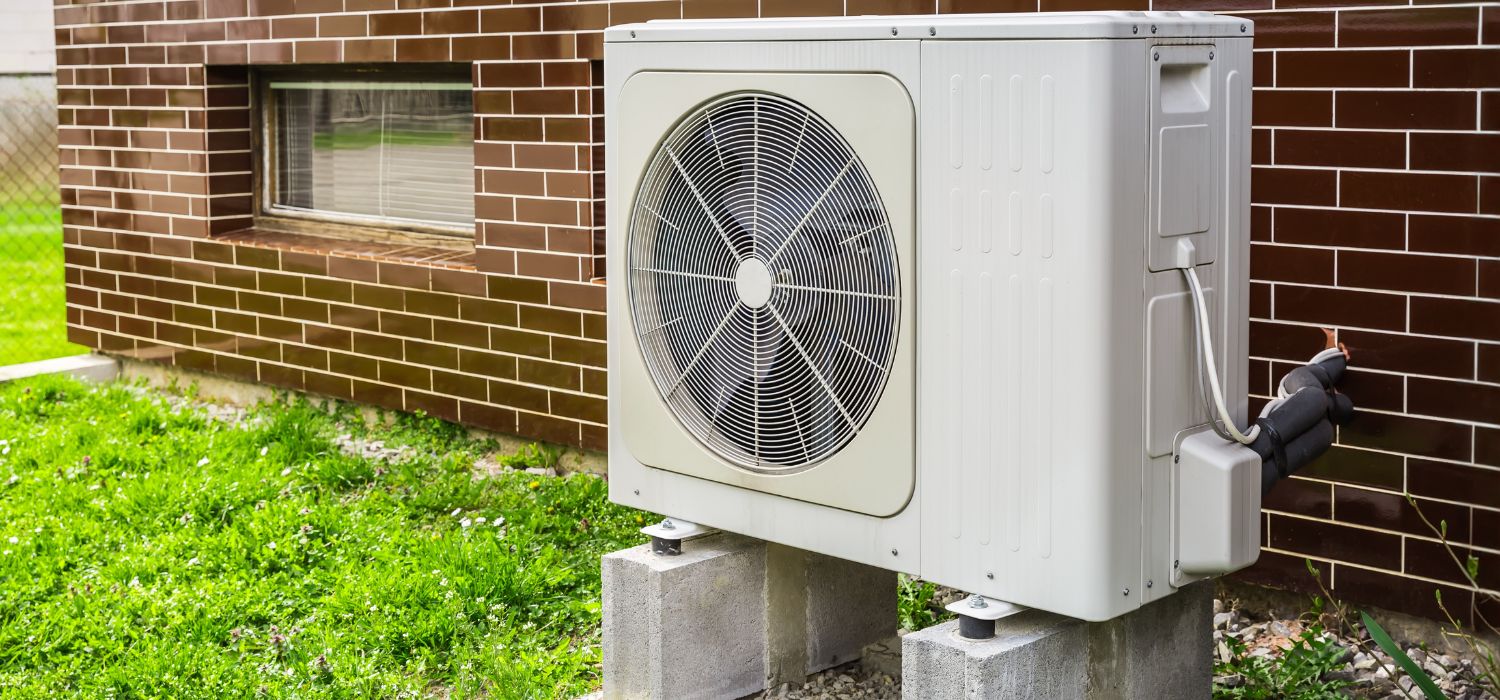
You’re not searching for a heat pump because you’re bored. You’re probably tired of high utility bills or rooms that never feel quite right. Heat pump technology offers a common solution for these problems, but only if you understand what you’re buying.
You likely want to lower energy costs or fix heating systems that fail every season. We’ll walk through how heat pump systems work and the key decisions you need to make. This applies whether you own a single-family home or manage a commercial space.
At its core, a heat pump is a system that transfers heat rather than generating it from scratch. It uses electricity to pull thermal energy from outside and move it to a warm space in winter. The process reverses in summer, creating a cool space.
The United States Department of Energy (DOE) explains that these units work like a refrigerator. They operate on a larger scale for your building. Heat pumps can even cut electric heating use by up to 75% compared to traditional heating.
The concept of a heat pump might seem strange at first. You move heat from cold outdoor air into your home. But the process is grounded in physics and thermodynamics.
Air-source heat energy exists even on a cold day. The system uses a refrigerant and a compressor to grab that heat. It then concentrates it indoors.
You’ll see many terms on contractor quotes. These systems generally fall into three main buckets.
Air source heat pumps are the most common choice. An outdoor unit works with either indoor air handlers or wall-mounted heads. The latter is often called a ductless air-source setup.
If you have existing ductwork, a ducted air source system ties right in. If your property lacks ducts, a ductless air source heat pump is a smart option. Mobile homes often benefit from this flexibility.
Here, the system taps into the steady soil temperature. Ground source heat provides a consistent energy source. This makes the equipment very efficient.
ENERGY STAR points out that high-efficiency geothermal heat pumps use about 61% less energy than standard models. They handle humidity well and last a long time.
The catch is the up-front cost and space needed for the loop. Ground source heat pumps require excavation. However, tax credits can help.
In colder climates, some owners use a hybrid setup. An air source heat pump handles most days. A furnace using natural gas takes over during extreme cold.
While less common, you might also hear about absorption heat pumps. Absorption heat systems use heat as their energy source instead of electricity. Gas-fired heat pumps are a type of absorption system. Gas-fired heat is sometimes used in larger commercial applications.
Another application of this technology is the heat pump water heater. It uses the same principles to generate hot water efficiently.
Comparing a heat pump to a standard air conditioner and furnace is helpful. Side by side, the difference is simple. In cooling mode, it behaves like a standard central air conditioner.
The difference is the reversing valve. It allows the system to bring heat indoors. Many property owners replace AC units with heat pumps. However, they keep the furnace as a backup for the coldest climates.
Numbers are nice, but you likely want to know how this helps your wallet. Heat pumps offer tangible benefits over time.
Energy efficiency leads to lower monthly costs. Official websites, such as the DOE, show that efficient pumps significantly reduce heating use. The National Renewable Energy Laboratory (NREL) also backed this up with a 2024 study.
They found the median savings for homeowners who made the switch. You can look at those details in the NREL 2024 study. This reduction helps you manage energy costs better than with radiator heating or electric resistance heating.
Heat pumps run longer, lower-powered cycles. ENERGY STAR models with variable speeds are great at this. They often dehumidify better than standard central air.
Price ranges are wide. Size, efficiency, and the condition of existing ductwork all matter. However, federal credits can cover 30% of costs.
Owners often get stuck here. Proper sizing matters more than anything else.
| Situation | Better Heat Pump Type | Why It Often Fits |
|---|---|---|
| Home or building with decent ductwork | Ducted air source heat pump | Reuses ducts, upgrades comfort, more affordable than geothermal |
| No existing ducts or lots of additions | Ductless mini split heat pump | Avoids ductwork, gives zoning room by room, great for rentals |
| Higher budget, long-term hold strategy | Geothermal heat pump | Lowest energy use, longer life, best fit for owners who plan to keep the property |
| Cold climate with an old but working gas furnace | Hybrid heat pump plus gas backup | Cuts gas use on mild days, keeps gas heat for very cold nights |
A licensed pro should run a Manual J calculation. An oversized system will short-cycle and waste energy.
You should now know more about heat pumps than most people do. You understand that it works to move heat rather than generating it. It can also replace your furnace and AC units.
Now, have an HVAC contractor walk your property and run the numbers. Discuss air-source heat versus geothermal options and determine whether this is the right option for your home.

2901 N Main Ave
Newton, NC 28658
Mon - Sun Open 24 Hours
No Overtime Charges
Call to Schedule Service
(828) 838-0973